


They don’t make any more real estate, so why do so many homeowners with a 3% rate never turn that equity into a rental? The math is the easy part. What stops most people is the plumbing call at 11 p.m. on a Tuesday. That’s the exact wall Liat Arama of Keasy hit years before she built a company to knock it down, and it’s why I brought her onto my podcast, The Posner Property Perspective.
During our conversation, Liat shared how she went from firing her own property manager to running a 500-door portfolio, and what that means for anyone in Atlanta weighing whether to sell a house or rent it out. This is for first-time buyers, accidental landlords, and anyone who wants their real estate to work without owning their weekends.
Here’s a preview of that episode:
Why I Had This Conversation
I’ve sat across the table from enough Atlanta sellers to know the moment a rental conversation turns emotional. Someone’s holding a 3% mortgage, staring at a rental market, and nobody’s told them what actually happens after they hand over the keys to a stranger. That gap is exactly why I wanted Liat on my show.
Liat is the CEO and co-founder of Keasy, a property management technology platform built on more than 14 years of hands-on property management and real estate investment experience. She’s not a vendor pitching a service she’s never used; she was a landlord first, made every mistake a new landlord makes, and built Keasy to be the fix she wished she’d had.
What she’s built is a genuinely different property management model, not just a cheaper version of the same one, and that’s why this conversation matters to anyone sitting on a rental decision right now.
Watch the full episode here:
Read Your Own P&L Before You Blame the Property
Liat and her husband, Guy, spent years at Microsoft before deciding real estate was their retirement plan. The numbers made sense on paper, so they bought. Then the actual pro forma never showed up.
It took reading their own profit and loss statements, transaction by transaction, for them to see what was really happening: inflated repair bills, a travel nurse placed in a unit that needed a long-term tenant, and a string of small decisions nobody had asked them about. That discovery is what pushed them to fire their manager and join the ranks of self-managing landlords, and it’s the same discovery I want every one of my clients to make before they hire anyone.
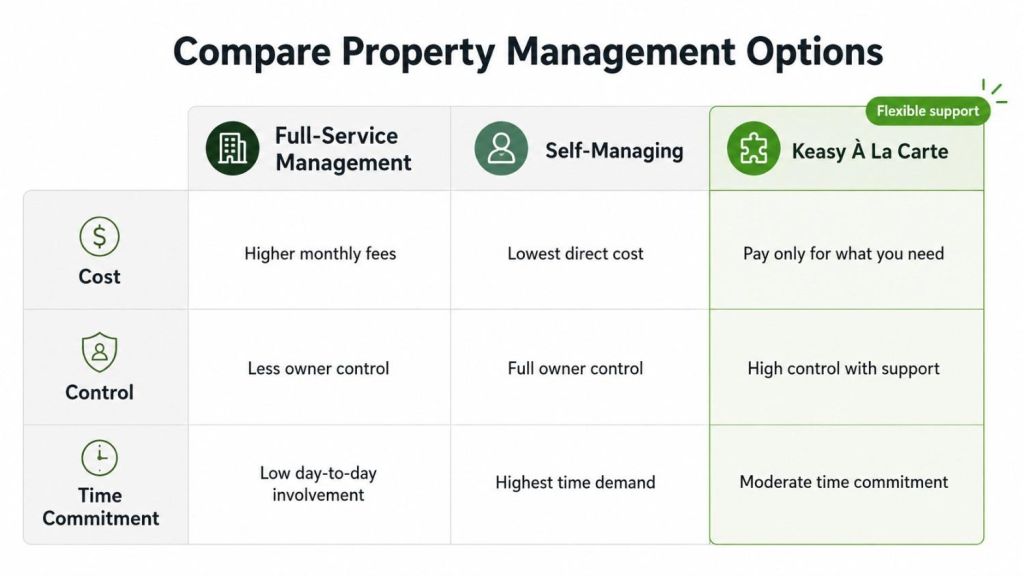
For anyone comparing the options, this is where I’d point you to compare property management models so you can see the trade-offs side by side before you commit to one.
You Don’t Have to Choose Between Full Service and Doing It Yourself
Once Liat and Guy learned to self-manage, they ran into the opposite problem: no way to take a day off without answering the phone themselves. Keasy exists because there was no real middle option between handing over your keys completely and handling everything at 11 p.m. on Christmas Eve.
“We’re basically… I like to say we’re Uber for landlords. We can get anything done for you, but you don’t have to use us. You can say, ‘I’ll do it myself.'”
That’s the model: a fixed-fee concierge line for tenants, plus an à la carte menu for everything else: inspections, tenant placement, meeting the insurance agent on site, etc. Landlords keep the decisions. Keasy just handles what they don’t want to.
Put Renovation Money Where It Actually Moves the Rent
This is where Liat and I landed on almost identical advice, coming from two different sides of the business. People buy kitchens and bathrooms first, then flooring. I tell my sellers the same thing before they list. And, every rental needs the roof and HVAC budget started well before either one fails, not after.
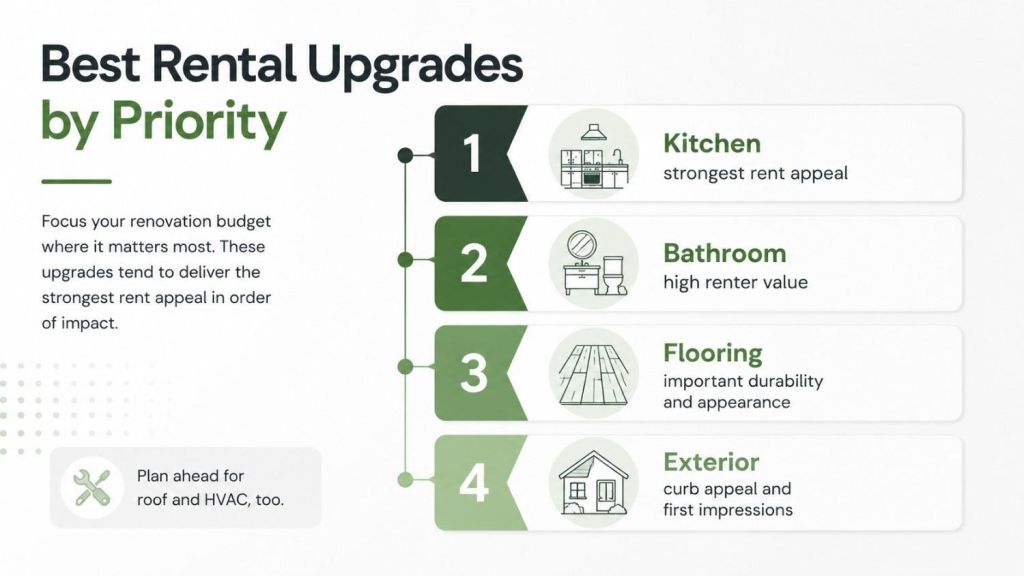
Liat’s team runs this through a Zillow-backed calculator so rental property investors aren’t guessing between a $100,000 renovation and a $500 rent bump. The cheapest flooring is also the most common rental mistake I see, since a tenant who doesn’t own the place has no reason to treat cheap material gently.
A Mortgage Payment Is Not Negative Cash Flow
Every Atlanta homeowner I talk to right now is running the same math: sell now, or hold the 3% mortgage rate and rent it out. Liat sees the identical decision in Washington State, just with higher price tags attached.
“If you have a mortgage, you’re not cash flow negative. You’re paying a mortgage. Part of it is you paying for your money, but another part of this is you putting money in your own savings account, which you will see when you sell the house.”
That reframe changes how a lot of my clients think about a rental they were ready to unload. If you’re deciding which way to go, I’d start by browsing homes for sale on my site to compare what your equity could buy versus what it could earn as a rental.
What Changed for Me After Talking to Liat
I already believed in Metro Atlanta real estate as the long game. What Liat reinforced is that the returns come from the decisions made after closing, not just the purchase itself. Self-managing landlords who don’t track every dollar end up blaming the property for what was really a management failure.
“When we did that, we learned two things. One, it’s not that complicated to handle your real estate on your own. You can do it. And two, the difference between a successful bottom line and a bad bottom line is the decisions that you make along the way.”
Liat now runs a syndication portfolio of 150 apartments in Washington State and is expanding Keasy into Texas this year, with landlords in other states asking her to run their properties, too. For anyone with a rental sitting empty right now, that same discipline is available through her rental listings process; you don’t have to build the systems yourself to benefit from them.
Talking with Liat Arama of Keasy confirmed something I already tell my clients: the property doesn’t decide your return. The management does.
Want to hear my full conversation with Liat on smarter rental property management without the headaches?
Frequently Asked Questions
Should I rent out my Atlanta house or sell it?
If you don’t need the proceeds to buy your next home, and you’re holding a rate in the 3–4% range, it’s worth running the numbers on renting before you list. The math often favors holding, especially if the local market has slowed and homes are sitting longer.
What should I budget for repairs on a rental property?
Set aside money every year for the roof, HVAC, and other big-ticket items before they fail, not after. A roof that’s 10 years old has 10 to 15 years left before replacement, and that can run $10,000 to $20,000 depending on the size of the house.
Is property management only full-service or self-managed?
No. Liat built Keasy specifically because that used to be the only choice. Landlords can now get a 24/7 tenant concierge and pick and choose which other tasks (inspections, tenant placement, vendor coordination) they want handled for them.
Apply as a Guest on The Posner Property Perspective Podcast
Real estate is always shifting, and I want to keep bringing the people who are actually solving problems in this industry onto my show. If you’re a lender, agent, investor, or operator with real insight for Atlanta buyers and sellers, I’d love to hear from you!
The Posner Property Perspective is produced by Icons of Real Estate, the #1 Real Estate Podcast Network. If you are a real estate professional, apply to be a guest speaker across the network!